








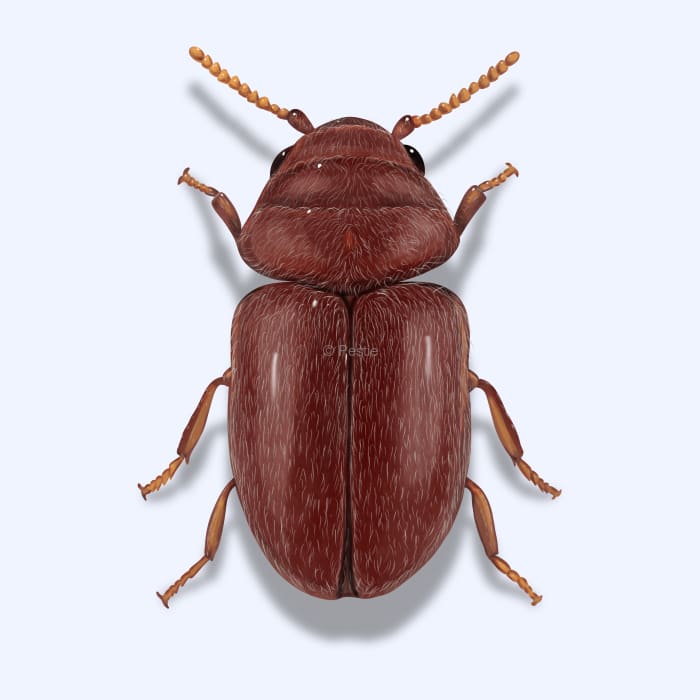
What are tobacco beetles and why are they a concern in stored products?
Tobacco beetles are small stored-product pests that can create serious problems in tobacco, dried herbs, spices, and other organic materials. These insects are known for their ability to survive in hidden areas and multiply when suitable conditions are available. Understanding the right Methods to Eliminate Tobacco Beetles (菸甲蟲消滅方法) is essential for protecting stored materials and maintaining a clean environment. Effective control requires a combination of identification, prevention, monitoring, and targeted treatment strategies rather than relying on a single solution.
How can tobacco beetles be identified in storage environments?
Tobacco beetles are often difficult to notice during the early stages because of their small size and tendency to remain hidden inside packaging, containers, or stored materials. They may leave behind signs such as damaged products, small holes in packaging, insect remains, or powder-like residue created by feeding activity. Regular inspection helps detect early warning signs before the infestation becomes widespread.
Professional pest management practices focus on understanding insect behavior and locating possible breeding areas. Since tobacco beetles prefer dark and protected spaces, checking storage corners, shelves, containers, and nearby materials is an important step in identifying the source of the problem.
Why is early detection important for tobacco beetle control?
Early detection plays a major role in preventing tobacco beetle infestations from becoming difficult to manage. When these pests remain unnoticed, they can spread through stored materials and create contamination concerns. Routine inspections and monitoring systems allow property owners and businesses to respond quickly when signs of activity appear.
A proactive approach reduces the chance of long-term damage and supports better storage hygiene. Monitoring tools designed for stored-product insects can provide valuable information about pest activity and help determine whether additional control measures are necessary.
What are the most effective ways to prevent tobacco beetle infestations?
Prevention is one of the most reliable strategies for reducing tobacco beetle problems. Maintaining proper storage conditions, keeping areas clean, and reducing possible hiding locations can make environments less attractive to these pests.
Stored products should be kept in suitable containers that limit insect access. Regular cleaning removes dust, leftover materials, and organic particles that may support pest development. A well-organized storage area also makes inspections easier and allows early identification of unusual activity.
Environmental management is another important factor. Tobacco beetles are more likely to develop in areas where conditions support their growth. Managing temperature, cleanliness, and product rotation can help reduce the possibility of infestation.
How do monitoring traps help eliminate tobacco beetles?
Monitoring traps are valuable tools for detecting and managing tobacco beetle activity. These traps help identify the presence of insects before visible damage becomes severe. They are especially useful in storage areas where pests may remain hidden for extended periods.
Traps provide information about pest movement and help determine where activity is concentrated. By placing monitoring devices in suitable locations, users can better understand the infestation pattern and take appropriate action.
Regular trap inspections also support preventive pest management programs. Instead of waiting until a major issue develops, monitoring allows continuous observation and faster responses.
What role does cleaning play in removing tobacco beetles?
Thorough cleaning is an important part of tobacco beetle elimination. Insects can hide in small cracks, gaps, shelves, and unused materials, making detailed cleaning necessary. Removing dust, debris, and old stored materials reduces potential breeding areas.
Cleaning should include areas that are not frequently accessed because hidden locations often provide protection for pests. Storage equipment, containers, and surrounding spaces should be checked regularly to maintain better hygiene standards.
A consistent cleaning routine supports long-term pest prevention and helps create an environment where tobacco beetles are less likely to survive.
Can proper storage practices reduce tobacco beetle problems?
Yes, proper storage practices are essential for controlling tobacco beetles. Products should be stored in a way that limits exposure to pests and allows easy inspection. Organized storage makes it easier to identify damaged items and separate affected materials.
Using secure packaging, maintaining cleanliness, and avoiding unnecessary storage of old materials are practical steps that support pest control efforts. Product movement and rotation should also be managed carefully to prevent hidden infestations from continuing unnoticed.
Good storage management does not only protect products but also improves overall operational efficiency by reducing pest-related disruptions.
Why is professional pest knowledge important for tobacco beetle management?
Tobacco beetle control requires an understanding of insect habits, life cycles, and environmental conditions. Professional pest knowledge helps identify the source of the problem and select suitable management techniques.
A complete pest management approach considers the entire environment rather than focusing only on visible insects. This includes inspection, monitoring, prevention, and continued evaluation. Understanding how tobacco beetles behave allows for more effective and sustainable solutions.
Accurate identification is also important because different stored-product insects may require different control approaches. Proper knowledge ensures that efforts are focused on the actual pest causing the issue.
How can businesses maintain long-term protection against tobacco beetles?
Businesses that handle stored products should develop regular pest prevention routines. Consistent inspections, proper sanitation, and effective monitoring systems create a stronger defense against future infestations.
Employee awareness is also valuable. Staff members who understand the signs of pest activity can report problems quickly and support better hygiene practices. Simple actions, such as checking storage areas and maintaining clean workspaces, contribute to long-term protection.
A structured pest management plan helps businesses maintain product quality and reduce the risks associated with stored-product pests.
What common mistakes should be avoided when dealing with tobacco beetles?
One common mistake is ignoring early signs of infestation. Small indications, such as insect sightings or damaged packaging, should not be overlooked because they may represent a developing problem.
Another mistake is treating only the visible areas while leaving hidden sources untouched. Tobacco beetles can remain inside materials or protected spaces, so complete inspection is necessary.
Poor storage organization can also contribute to recurring issues. When products are difficult to access or inspect, pest activity may continue unnoticed. Maintaining clean and organized storage areas makes control efforts more successful.
How does regular monitoring support effective tobacco beetle elimination?
Regular monitoring creates a continuous understanding of pest conditions. Instead of responding only after damage occurs, monitoring allows early action and better decision-making.
Monitoring systems help track changes in insect activity and provide useful information about whether prevention methods are working. This approach supports a more controlled and efficient pest management process.
Long-term monitoring is particularly valuable for areas where stored materials are regularly handled or maintained. It helps protect against unexpected infestations and encourages consistent maintenance practices.
What environmental factors influence tobacco beetle activity?
Environmental conditions can strongly affect tobacco beetle development. Areas with suitable shelter, available food sources, and poor sanitation may encourage insect activity. Managing these conditions is an important part of prevention.
Proper ventilation, cleanliness, and storage organization help create an environment that is less favorable for pests. Regular evaluations of storage conditions allow potential risks to be corrected before they become larger problems.
Understanding environmental influences helps property owners and businesses take preventive steps instead of relying only on reactive treatments.
Why is an integrated approach recommended for tobacco beetle control?
An integrated approach combines multiple strategies to achieve better results. Inspection, monitoring, sanitation, storage improvement, and targeted control methods work together to address both current activity and future risks.
Relying on one method may not provide complete protection because tobacco beetles can adapt and remain hidden. A comprehensive plan considers the entire environment and focuses on preventing the conditions that allow infestations to continue.
Integrated pest management supports safer, more reliable, and longer-lasting results by addressing the root causes of pest problems.
How can storage areas remain protected after eliminating tobacco beetles?
Maintaining protection after elimination requires continued attention and regular inspections. Even after visible pests are removed, preventive practices should continue to reduce the chance of reinfestation.
Ongoing cleanliness, proper storage methods, and monitoring systems help maintain a healthier environment. Regular reviews of storage conditions also allow early correction of potential problems.
Successful tobacco beetle management is not only about removing existing insects but also about creating conditions that prevent future activity. A consistent and informed approach provides stronger protection for stored materials and supports better overall quality control.