
Life in urban areas is still developing as the lifestyle is becoming more active and multi-purpose. Homes are no longer isolated where people rest, but work, have leisure and interact. The residential settings like Tengah Garden Residences and Promenade Peak are manifestations of this change by incorporating flexible design plans to meet the changing needs in the urban environment. These advancements underscore the fact that careful planning can be used to support changing habitats without compromising well-being or performance.
Flexible Layouts Supporting Everyday Activities
Flexibility starts with layout design. Tengah Garden Residences illustrates how flexible floor planning can enable one to alter the functions of the spaces during the day. Residential spaces can easily change into leisure, business and family activities. A similar strategy is adopted by Promenade Peak, where layouts are emphasized in such a way that they minimize the rigid room definition. Such flexibility makes homes viable as the household requirements vary over time to suit the living patterns in the short run and the long run.
Design Enhancing Comfort in Compact Spaces
In high-density environments, comfort is one of the primary expectations. Intentional design is aimed at proportion, circulation, and visual transparency in order to minimize stress on space. The focus on comfort is also an important aspect that Tengah garden residences consider with regard to room sizing and natural flow. The effective movement patterns, visual accessibility, and proportional room arrangements combine to make the residents feel comfortable in the small city houses.
Shared Spaces Adapting to Modern Social Needs
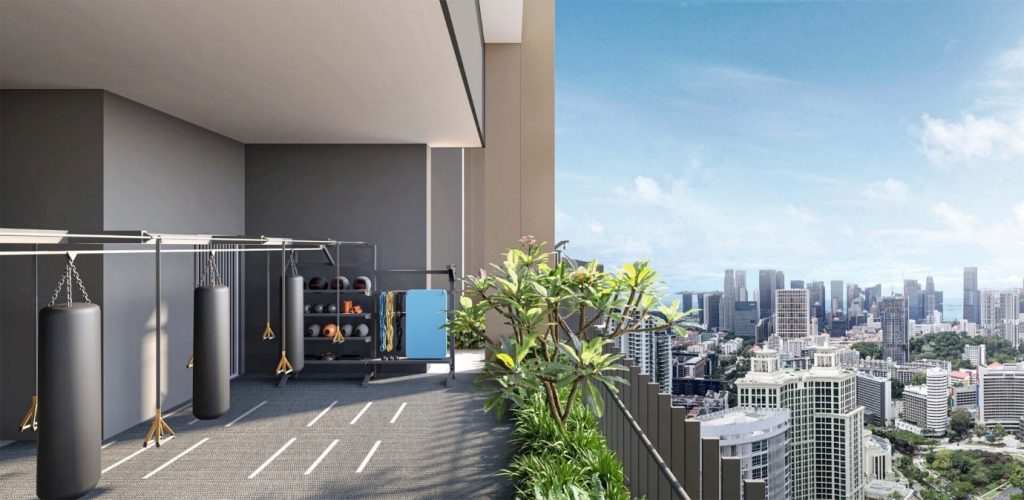
The contemporary residential architecture appreciates the need for communal areas that can accommodate various social patterns. Tengah Garden Residences incorporates community facilities that can be used interactively and also privately. Promenade Peak is also applicable when it comes to being flexible in planning shared environments and making them functional during the daytime. The ability to space to provide social gatherings and personal relaxation, and zones between active and quiet spaces will enable shared environments to be kept up to date when the social needs change.
Environmental Design Responding to Daily Comfort
The flexible homes are also environmentally responsive. Tengah Garden Residences has adopted daylight access and airflow technologies that enhance the natural comfort of the interior. Promenade Peak is coordinated with the building orientation and openings to optimize ventilation and lighting. Better indoor air quality, less reliance on artificial lighting, and more predictable indoor conditions contribute to healthier living and are well-adapted to the needs of the urban climate.
Convenience Supporting Changing Lifestyles
Convenience is a key issue in residential satisfaction as lifestyles are getting hectic. Promenade Peak shows how the design of the flow of people is intuitive and how the placement of facilities is logical to minimise daily work. Another aspect that Tengah Garden Residences considers is convenience, as it makes spatial planning coincide with the pattern of movement of residents. These designs reduce dissonance between everyday lives, which enables the residents to control shifting schedules with less hassle.
Conclusion
The ability to build homes that are responsive to changes will guarantee sustainability in the burgeoning cities. Tengah Garden Residences and Promenade Peak also denote that flexible planning, adaptable common spaces, and environmentally sensitive planning are still pertinent as the urban lifestyles keep evolving. With a strong emphasis on flexibility, comfort and usefulness, these residential settings show how considerate design can expand the needs to the dynamic needs, as well as provide sustainable and pleasant urban living in the long term.