









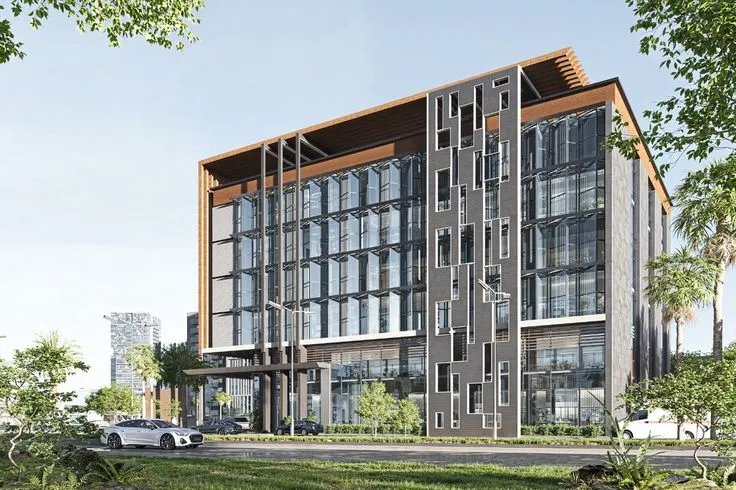
Growth rarely announces itself. A quiet district gets a new office park, then a train station, then a row of cafes, and prices follow years later. Owners of Langdon Heights or similar homes can learn to spot that early trail if they know where to look.
Regional business centers act like magnets. Jobs gather, people move closer, and housing demand slowly builds. Here is a plain way to judge the potential: check the plans, count the jobs, test the transport, and stay realistic. No crystal ball needed, just curiosity and a decent notebook.
Spotting a Real Business Center
Not every office cluster becomes a true hub. A real one has anchor tenants, steady hiring, and room for more. Look for big employers who signed long leases, not short pop-up arrangements. Staying power matters more than a shiny opening ceremony.
Check the mix too. Offices alone can feel empty after six. Shops, clinics, schools, and food courts keep a place alive all day. Chencharu Central Residences sits in the kind of setting worth testing against this list. Visit on a weekday lunch, then again on a Saturday. Life should show up both times.
Reading Government Plans and Zoning
Official masterplans show where cities want to grow. They are public, free, and often ignored. Study zoning, planned rail lines, and land set aside for new commercial space. A site marked for future offices tells you something no brochure ever will.
Timelines slip, so treat dates as rough targets. A station promised for 2032 may open later. Build that delay into your plan. If the investment only works when everything runs on schedule, it is too fragile. Plans guide you, but they do not guarantee anything.
Jobs, Wages, and Population Trends
Demand for homes follows paychecks. Rising employment and better wages lift what tenants and buyers can afford. Look at hiring announcements, new company moves, and local population numbers. Slow, steady climbs beat sudden spikes that fade.
Age matters as well. A young, growing workforce rents first and buys later, which feeds both markets. An aging, shrinking one does the opposite. Official statistics offices publish these figures for free. Read them with a cup of tea and a bit of patience.
Transport Links That Support Growth
A business center without good access struggles. Look for rail, bus routes, and road connections that actually serve workers. Journey time to the main city matters, but so does the walk from the door to the platform. Small gaps add up.
Planned lines can lift prices before they open, sometimes too much. Buyers get excited, and values run ahead of reality. Watch for that. A fair price today for a future benefit is smart. A high price for a distant promise is just hope wearing a nice jacket.
Supply Risks That Cap Gains
Growth attracts builders, and builders add supply. If too many new homes finish at the same time, price gains can stall. Check how many units are launching near your target address over the next five years. A crowded pipeline caps upside.
Land availability tells a story too. Where plots are scarce, existing homes hold value better. Where land is plentiful, new projects keep arriving. Neither is bad, but the difference changes how patient you need to be. Plan your holding period around it.
Building a Patient Holding Plan
Long term means years, not months. Set a holding period of at least seven to ten years, and keep a cash buffer for slow patches. Forced sales ruin good investments. Patient owners ride out dips and catch the later growth.
Review yearly. Track rents nearby launche and new infrastructure. Adjust if facts change, but avoid reacting to every headline. Langdon Heights and any other holding should earn its place through steady results. Write your reasons down today, then read them again in a few years.
Conclusion
Emerging business centers can lift nearby home values over time, but only when jobs, transport, and planning line up. Study the masterplan, track employment, watch supply, and visit the area often. These habits turn vague hope into a grounded view of long term growth.
No area is a sure thing. Markets shift, projects slip, and surprises appear. Whether your focus is Langdon Heights or Chencharu Central Residences, stay patient, keep your numbers honest, and diversify where you can. Slow research now often pays off nicely later.
What You Need to Know
- Real business centers feature anchor tenants, steady hiring, and a mix of amenities that ensure they remain vibrant throughout the day.
- Government masterplans and zoning documents provide insights into planned growth and future commercial space, which are often overlooked.
- Rising employment and wages drive housing demand, making it vital to monitor local job announcements and population trends.
- Transport links significantly impact a business center’s viability, with access to rail and bus routes being crucial to assist workers commuting from the main city.
- An oversupply of new homes in a given area can stall price gains, so buyers should assess the number of units launching in the vicinity over the next few years.
- Investors should adopt a long-term perspective, aiming for a holding period of at least seven to ten years to weather market fluctuations.