








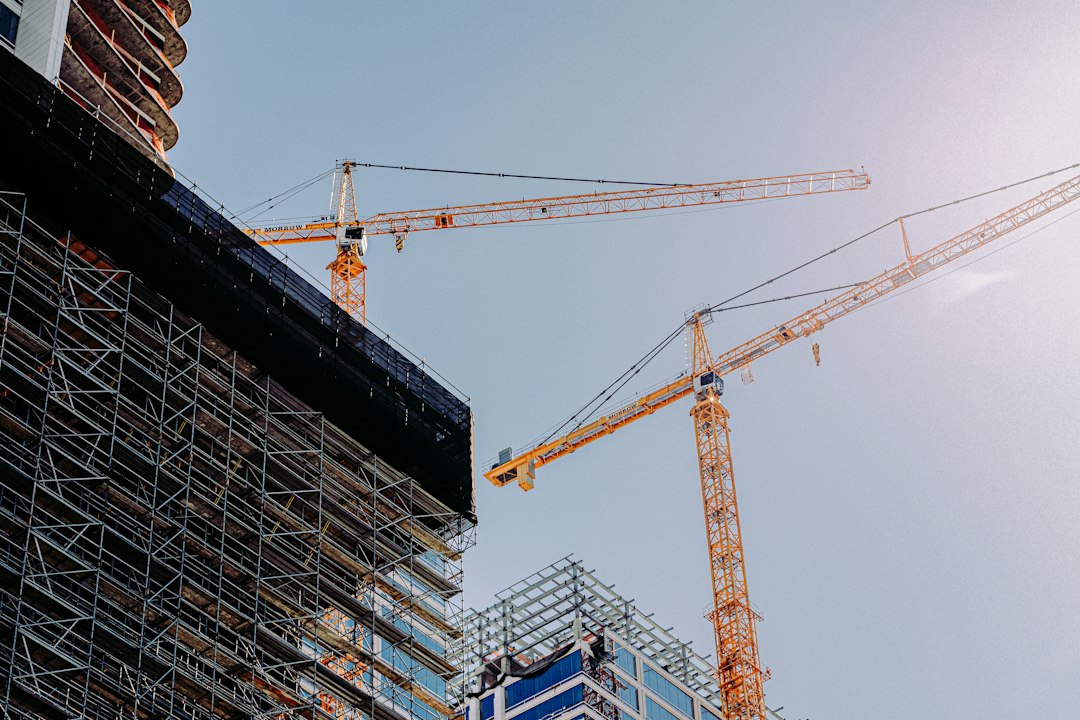
Australia’s property landscape continues to develop as communities expand, businesses evolve, and demand grows for well-connected, functional spaces. Behind successful developments is often a strong understanding of infrastructure, planning, construction, and site functionality. Hannas Group illustrates how experience in civil infrastructure can provide a valuable foundation for approaching contemporary property projects with greater perspective and purpose.
In This Article
- How does civil infrastructure experience support property development?
- Why is site preparation important for contemporary projects?
- How has property development become more integrated?
- What role does infrastructure play in modern industrial projects?
- How does experience contribute to project quality?
- Why is connectivity important in contemporary property projects?
- How can infrastructure expertise support sustainable development?
- What makes contemporary property projects future-ready?
- How can civil expertise influence long-term property value?
- Conclusion
How does civil infrastructure experience support property development?
Civil infrastructure provides the groundwork for functional development. Roads, drainage, utilities, access networks, earthworks, and site preparation all influence how effectively a property can be planned and delivered.
Experience in these areas can help create a deeper understanding of how sites operate as complete environments. This knowledge can support better coordination between infrastructure requirements and the design of future property projects.
Why is site preparation important for contemporary projects?
A successful development begins with careful consideration of the site. Ground conditions, access, drainage, services, surrounding infrastructure, and future requirements can all influence the development process.
A strong infrastructure background can help developers approach these factors with a practical mindset. Early consideration of site requirements can contribute to smoother planning and more efficient project outcomes.
How has property development become more integrated?
Contemporary property development increasingly considers buildings, infrastructure, access, landscaping, and surrounding environments as interconnected elements.
Rather than treating each component separately, an integrated approach looks at how they work together. This can create developments that are easier to navigate, more functional, and better aligned with the needs of their users.
What role does infrastructure play in modern industrial projects?
Industrial properties depend heavily on reliable access and efficient site infrastructure. Vehicle movement, loading requirements, road connections, utilities, drainage, and internal circulation can all affect business operations.
Infrastructure expertise can provide valuable insight into these practical requirements, helping industrial developments support efficient business activity from the outset.
How does experience contribute to project quality?
Experience can strengthen decision-making throughout the development process. Familiarity with construction processes, site requirements, project coordination, and infrastructure considerations can help identify opportunities for practical can influence the usefulness and long-term appeal of a development. Access to major roads, transport networks, employment areas, commercial centres, and essential services can make properties more convenient for businesses improvements.
This knowledge can also support a more comprehensive understanding of how individual project elements influence the final result.
Why is connectivity important in contemporary property projects?
Connectivity can influence the usefulness and long-term appeal of a development. Access to major roads, transport networks, employment areas, commercial centres, and essential services can make properties more convenient for businesses and communities.
Well-planned infrastructure can strengthen these connections and help developments integrate naturally with their wider surroundings.
How can infrastructure expertise support sustainable development?
Sustainability begins with many decisions made during the planning and infrastructure stages. Efficient drainage, water management, landscaping, energy-conscious systems, and responsible material selection can all contribute to more sustainable outcomes.
Understanding infrastructure as part of the broader environmental context can help developers incorporate sustainability into projects in a practical and meaningful way.
What makes contemporary property projects future-ready?
Future-ready developments need to accommodate changing technology, business requirements, population growth, and lifestyle preferences. Infrastructure needs to be capable of supporting these changes rather than simply meeting today’s requirements.
A forward-looking approach can encourage adaptable layouts, efficient services, flexible spaces, and infrastructure capable of supporting future growth.
How can civil expertise influence long-term property value?
Strong infrastructure can contribute to the functionality, accessibility, and durability of a development. When essential systems and site elements are thoughtfully planned, properties can benefit from greater usability and long-term relevance.
This demonstrates how infrastructure expertise can extend beyond construction and become an important part of creating lasting property value.
Conclusion
The journey from civil infrastructure expertise to contemporary property development demonstrates how strong foundations can support modern innovation. Understanding infrastructure, site preparation, connectivity, construction, and long-term functionality provides valuable insight when creating today’s property projects. By bringing these disciplines together, contemporary developments can achieve greater efficiency, adaptability, and lasting value while responding positively to the evolving needs of Australian businesses and communities.
What You Need to Know
- Australia’s property development is increasingly driven by a strong understanding of infrastructure, planning, construction, and site functionality.
- Civil infrastructure provides essential groundwork for property developments, influencing planning and delivery through factors like access, drainage, and earthworks.
- Successful site preparation considers ground conditions, drainage, and surrounding infrastructure to streamline planning and improve project outcomes.
- Contemporary property development emphasizes an integrated approach, recognizing the interconnectedness of buildings, infrastructure, landscaping, and environments.
- Infrastructure expertise is crucial for industrial properties because reliable access and efficient site infrastructure directly affect business operations.
- Future-ready developments must accommodate changing technology and lifestyle preferences, requiring infrastructure that supports adaptability and growth.