







Why is professional roof restoration important?
A roof is one of the most important protective features of any property, yet problems can remain unnoticed until they become disruptive. Roof Guard Restoration provides a practical approach to maintaining roof performance, addressing visible deterioration, and helping property owners protect their homes or buildings. Professional restoration can improve durability while supporting a cleaner, more reliable appearance.
In This Article
- Why is professional roof restoration important?
- What are the common signs that a roof needs attention?
- How does roof restoration differ from simple repairs?
- Why does preventive roof maintenance matter?
- Can restoration improve protection against weather?
- What role does professional inspection play?
- How can homeowners maintain a healthier roof?
- When should a property owner consider restoration?
- What makes a professional roofing approach valuable?
What are the common signs that a roof needs attention?
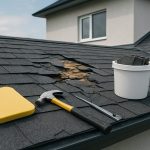
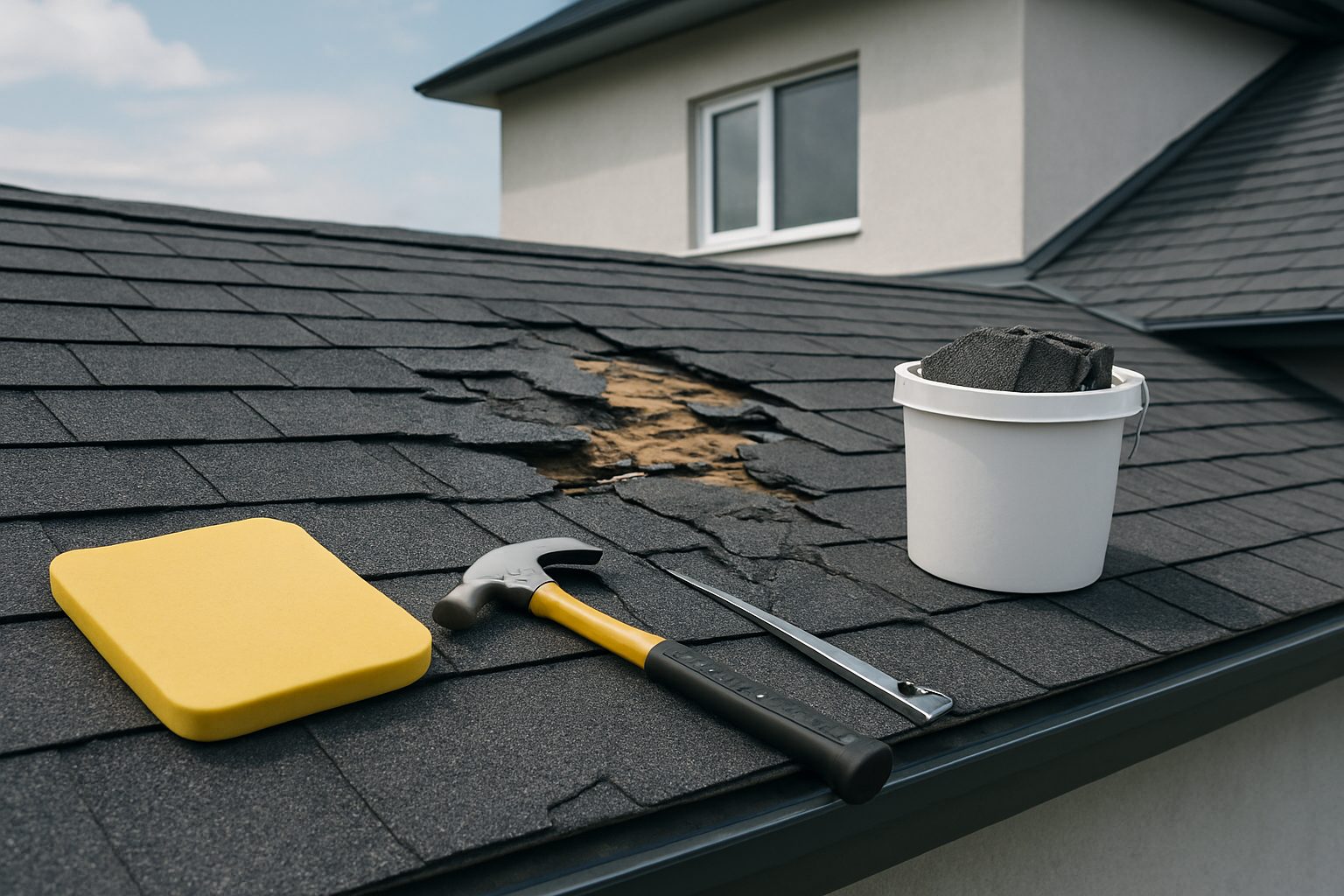
Several warning signs may indicate that a roof requires professional evaluation. Staining on ceilings or walls, damaged shingles, cracked materials, missing sections, blocked drainage points, and visible wear around roof edges should not be ignored. Even minor concerns can develop into larger problems when moisture repeatedly reaches vulnerable areas.
Regular inspections make it easier to identify these issues before they interfere with the property’s interior. A professional assessment can also distinguish between isolated repairs and broader restoration needs.
How does roof restoration differ from simple repairs?
Roof repair generally focuses on correcting a specific problem, such as a damaged section or localized leak. Restoration takes a wider view. It may involve evaluating the overall roof condition, improving vulnerable areas, restoring protective surfaces, and supporting better long-term performance.
The appropriate solution depends on factors such as material condition, weather exposure, drainage, age, and the extent of existing deterioration. A detailed inspection helps determine which approach makes the most sense rather than relying on assumptions.
Why does preventive roof maintenance matter?
Preventive maintenance is valuable because roofing systems continuously face environmental stress. Sunlight, wind, rain, temperature changes, falling debris, and moisture can gradually affect roofing materials. Small weaknesses can become more significant when they remain untreated.
A structured maintenance routine can help property owners discover developing concerns earlier. Cleaning drainage areas, checking flashing, inspecting roof surfaces, and monitoring areas around penetrations are examples of tasks that contribute to responsible roof care.
Can restoration improve protection against weather?
A properly maintained roof is better positioned to handle changing weather conditions. Effective restoration focuses on strengthening vulnerable areas and preserving the protective role of the roofing system. This is particularly important in locations where seasonal weather can create repeated exposure to moisture, heat, or strong winds.
Restoration should not simply address appearance. The underlying objective is to support dependable performance and reduce opportunities for water intrusion and material deterioration.
What role does professional inspection play?
Professional inspection provides valuable information that may not be apparent from ground level. Experienced roofing specialists can examine surface conditions, drainage, flashing, joints, penetrations, and other areas where problems commonly develop.
An inspection also helps create a clearer maintenance strategy. Instead of reacting only when a leak appears, property owners can make informed decisions based on the actual condition of their roofing system.
How can homeowners maintain a healthier roof?
Homeowners can support roof longevity through consistent observation and maintenance. Keeping gutters and drainage pathways clear helps water move away from the structure. Trees should also be monitored so branches or accumulated debris do not create unnecessary roof stress.
After severe weather, a visual check can be useful for identifying obvious damage. However, homeowners should avoid walking on a roof without appropriate safety measures and professional guidance.
When should a property owner consider restoration?
Restoration may be worth considering when a roof shows widespread aging, recurring maintenance concerns, surface deterioration, or signs of moisture-related damage. Waiting until a problem becomes severe can make the situation more complicated.
The best timing depends on the roof’s present condition rather than a single universal schedule. Professional evaluation can help determine whether maintenance, targeted repair, or comprehensive restoration is the most suitable next step.
What makes a professional roofing approach valuable?
Quality roofing work combines careful assessment, appropriate materials, skilled workmanship, and attention to detail. A professional approach considers both immediate concerns and the broader condition of the roofing system.
For property owners, this creates greater confidence that important issues are being addressed systematically. With thoughtful maintenance and timely restoration, a roof can continue serving as a dependable barrier between the property and changing outdoor conditions.
What You Need to Know
- Professional roof restoration improves durability and enhances the appearance of a property.
- Common signs that indicate a roof needs attention include staining on walls, damaged shingles, and blocked drainage points.
- Roof restoration differs from simple repairs by focusing on the overall condition of the roof rather than just isolated issues.
- Preventive roof maintenance helps identify emerging issues early, which can prevent more significant problems in the future.
- A professional inspection allows for a thorough evaluation of roofing conditions that may not be visible from ground level.
- Homeowners can maintain a healthier roof by keeping gutters clear and monitoring surrounding trees to prevent debris accumulation.